
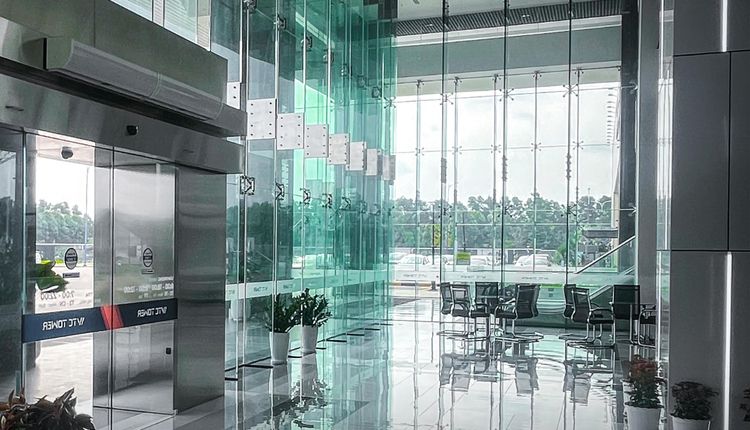
Commercial property insurance is designed to help protect the physical assets a business relies on every day. However, coverage is only as effective as the property values used when the policy is written and reviewed.
For many business owners, property valuation can be confusing. Understanding how business property is valued and why those values matter can help support better coverage decisions and reduce the chance of unexpected gaps.
What Property Valuation Means
Property valuation refers to the estimated value assigned to buildings, equipment, inventory, furniture, and other business property for insurance purposes. These values help determine coverage limits and play a role in how claims are handled.
Accurate valuations are important because undervaluing property may leave a business underinsured, while overvaluing property could result in paying for more coverage than necessary.
Building Valuation
For businesses that own their buildings, insurance valuations are typically based on reconstruction cost rather than real estate market value. Reconstruction cost focuses on what it would take to repair or rebuild the structure using current labor and material costs.
Market value can fluctuate based on location, demand, and land value, but insurance coverage is generally more concerned with rebuilding expenses.
Construction materials, building age, square footage, and specialized features can all affect valuation.
Business Personal Property
Business personal property includes items such as office furniture, computers, machinery, inventory, tools, and equipment. These assets should be reviewed regularly to ensure values remain current.
As businesses grow, property values often increase over time due to equipment purchases, inventory expansion, or office improvements. Failing to update coverage after these changes can create gaps.
Keeping organized inventories and purchase records can help support more accurate valuations.
The Impact of Rising Costs
Construction and replacement costs can change over time due to inflation, supply chain disruptions, land value, and labor shortages. A building or piece of equipment that cost a certain amount several years ago may cost significantly more to replace today.
Regularly reviewing property values helps ensure coverage keeps pace with changing costs.
Leasehold Improvements and Upgrades
Businesses that lease space may still have valuable property investments to consider. Interior improvements, custom build-outs, upgraded fixtures, and installed equipment may represent a significant financial investment.
Depending on the lease agreement and policy structure, these improvements may need to be specifically addressed within the coverage.
Reviewing Property Values Regularly
Property valuation should not be treated as a one-time evaluation. Business operations change over time, and business insurance coverage should evolve along with them.
Reviewing property values annually and after major purchases, renovations, or operational changes can help maintain accurate coverage levels and reduce surprises during a claim.
If your business owns property, equipment, inventory, or valuable improvements, it may be a good time to review your current coverage. Contact us today to review your commercial property insurance and make sure your values are up to date.